24-Hour Dementia Care in Petaluma: Compassionate Round-the-Clock Support

Imagine it’s 3:00 AM on a quiet Tuesday morning in Petaluma. Instead of waking up with a racing heart because you heard a floorboard creak, you are resting deeply and securely. You can breathe easily because a compassionate professional is right there in the living room, offering a gentle word and a steady hand to your loved one. Caring for a parent with memory loss is a sacred journey, but it’s also a physically demanding one. The 2023 Alzheimer’s Association report highlights that nearly 60% of family caregivers rate their emotional stress as high or very high. You likely feel a profound duty to keep your family together, even as the fear of nighttime falls or the exhaustion of “sundowning” begins to take a heavy toll.

You don’t have to choose between your own health and your loved one’s dignity. This article explores how professional 24-hour dementia care Petaluma families trust provides a path to safety without the trauma of an institutional move. We will show you how a dedicated care team ensures your parent is safe, seen, and truly cherished in the heart of their own home. You’ll learn exactly how round-the-clock support can transform your daily life, replacing caregiver burnout with the peace of mind that comes from a team that feels like family.

Key Takeaways

  • Understand the vital distinction between live-in care and continuous, rotating support to ensure your loved one is never left without alert, professional supervision.
  • Learn how specialized evening routines and constant vigilance can stabilize “Sundowning” symptoms and prevent the risks associated with nighttime wandering.
  • Compare the benefits of personalized one-on-one support with facility-based care to see how 24-hour dementia care Petaluma preserves the comfort and dignity of home.
  • Identify the critical questions to ask an agency about their dementia training and backup protocols to ensure your family experiences a smooth and secure transition.
  • Discover how the Fijian tradition of reverence for elders transforms professional caregiving into a heartfelt dedication that treats every senior as the heart of the home.

Defining 24-Hour Dementia Care in Petaluma

Choosing 24-hour dementia care Petaluma is a decision rooted in the deep desire to keep a loved one safe, seen, and truly cherished within the walls of their own home. This level of support provides a continuous, watchful presence through rotating teams of caregivers who work in shifts. Unlike live-in care, where a single caregiver stays in the home and requires dedicated sleep breaks, 24-hour care ensures that a professional is awake and alert at every hour of the night. This constant rhythm of care is vital for seniors in the mid-to-late stages of dementia, where the sun setting often brings increased confusion or “sundowning” behaviors.

In Petaluma neighborhoods like Westridge or the historic Oakhill district, many families find that local memory care facilities, while professional, cannot replicate the “heart of the home” feeling that a private residence provides. By bringing specialized support into the house, families honor their loved one’s history and comfort. Formal Dementia caregiving involves more than just monitoring; it is about creating meaningful connections and maintaining dignity during the most vulnerable hours of the day and night.

Recognizing the Tipping Point for Professional Help

The journey of caring for a family member often begins with small gestures, but dementia is a progressive path that eventually requires more than one person can give. Families often realize they need help when wandering becomes a frequent risk or when kitchen safety is compromised by forgotten appliances. Hygiene decline is another quiet signal that the daily routine has become too heavy to manage alone. Perhaps the most significant sign is the physical and emotional toll on the primary caregiver. When sleep deprivation becomes a nightly reality, the health of the entire family begins to suffer. The tipping point occurs when the escalating risks of wandering, home accidents, and physical exhaustion transform the home from a place of peace into a source of constant danger for both the senior and their family.

Non-Medical vs. Skilled Nursing: What Petaluma Families Need

It’s helpful to distinguish between the different types of support available in Sonoma County. Most 24-hour dementia care Petaluma focuses on non-medical assistance, which prioritizes Activities of Daily Living (ADLs) and emotional safety. This includes gentle help with bathing, dressing, meal preparation, and companionship that respects the senior’s legacy. While our home care givers provide the nurturing daily presence that keeps the home running smoothly, they also know when to coordinate with medical professionals. If a senior experiences a sudden health crisis or requires clinical treatment, families often work with Petaluma Valley Hospital for acute medical needs, while our team remains the steady, comforting presence that manages the transition back to the home environment.

How Round-the-Clock Support Manages Advanced Dementia Symptoms

Watching a parent or spouse navigate the complexities of advanced dementia is a journey that requires immense emotional strength. When symptoms progress, the need for professional 24-hour dementia care Petaluma becomes a bridge to maintaining their dignity. Our caregivers focus on proactive management, particularly during the late afternoon when “sundowning” often triggers increased anxiety. By stabilizing evening routines with soft lighting and calming activities, we reduce the sensory overload that leads to distress. This consistent presence ensures your loved one feels safe, seen, and truly cherished throughout every hour of the day.

Beyond emotional support, physical health monitoring is a cornerstone of our round-the-clock approach. Dehydration and poor nutrition are silent triggers for many dementia-related complications. Research suggests that nearly 25% of preventable hospitalizations for seniors with cognitive decline stem from untreated UTIs or dehydration. Our caregivers provide gentle encouragement for hydration and prepare nutritious meals that honor the heart of the home. This constant vigilance prevents the sudden spikes in confusion often caused by physical discomfort, keeping the “Wise Nurturer” philosophy at the center of every interaction.

Navigating the Night: Safety After Dark

Nighttime often brings the most significant challenges for local families. Sleep-wake cycle disturbances can lead to intense confusion, making the home feel like a foreign place to a senior. According to the Alzheimer’s Association, 60% of individuals with dementia will wander at some point. Our 24/7 alert caregivers are there to provide immediate reassurance, preventing a confused midnight walk from turning into a dangerous situation. While Memory care facilities offer one type of environment, our one-on-one home care ensures a caregiver is always within reach during nighttime bathroom trips. This is vital since the CDC reports that 1 in 4 seniors falls each year, and these incidents frequently occur in the dark during moments of disorientation.

The Role of Familiarity and Routine

Keeping a loved one in their own environment prevents “transfer trauma,” the extreme stress and cognitive decline often seen during a move to a facility. We believe in the power of local Petaluma rhythms to provide emotional anchors. Whether it’s a slow morning walk near Lucchesi Park or simply sitting on a familiar porch to watch the birds, these moments of continuity are precious. Our approach to 24-hour dementia care Petaluma is rooted in these generational traditions of respect and unconditional love. By maintaining these small but significant habits, we help your loved one remain connected to their identity and their community. If you are exploring options for your family, our guide on dementia care sonoma county offers deeper insight into how we support our neighbors. We invite you to start a gentle conversation with us to see how we can bring peace back to your home.

24-Hour Dementia Care in Petaluma: Compassionate Round-the-Clock Support

Comparing In-Home Care to Petaluma Memory Care Facilities

Choosing the right path for a loved one requires looking beyond a brochure to the heart of their daily experience. While Petaluma memory care facilities offer structured environments, they often operate on a one-to-many staffing ratio, where a single caregiver might be responsible for eight or more residents. This can lead to a “wait-your-turn” reality for basic needs. In contrast, 24-hour dementia care Petaluma provides a dedicated one-on-one bond. This constant presence ensures your loved one is never just a number on a chart, but the sole focus of a caregiver who understands their unique history and subtle non-verbal cues.

Many families assume a facility is inherently safer, but data suggests that familiarity is a powerful protector. The National Institute on Aging highlights that environmental consistency reduces the risk of “sundowning” and agitation. By following expert recommendations for managing severe dementia, home care providers focus on non-pharmacological interventions that are easier to implement in a quiet, known setting. When a senior knows exactly where the bathroom is and doesn’t have to navigate unfamiliar hallways, the risk of falls and confusion-related injuries drops significantly.

The financial and emotional ROI of staying at home is profound. While facility costs in California often exceed $6,000 monthly for basic memory care, the emotional cost of “relocation stress syndrome” is even higher. Staying in Petaluma allows your loved one to remain rooted in the community they helped build, surrounded by the sights and sounds that keep them grounded.

Preserving Dignity and Autonomy

Dignity is found in the small details of a life well-lived. Home care honors these details by allowing for personalized meal times and the freedom to wear a favorite sweater whenever they wish. Being surrounded by cherished belongings, like a well-worn armchair or family photos, provides a psychological anchor that a sterile facility room cannot replicate. While a facility operates on a rigid, shift-based schedule that demands residents conform to a group, home care follows the unique, flexible rhythm of your loved one’s natural day.

Social Connection and Community Ties

Isolation is often the greatest enemy of cognitive health. In a home setting, seniors stay connected to their Petaluma neighbors and family without the barrier of visiting hours or sign-in sheets. One-on-one companionship prevents the “loneliness in a crowd” feeling that often occurs in large institutions. This specialized attention mirrors the high standards found in home care santa rosa ca, ensuring every senior feels safe, seen, and truly cherished. Keeping these community ties intact isn’t just about social visits; it’s about honoring the person’s identity as a vital member of the family and the neighborhood.

Selecting and Preparing for a 24-Hour Caregiver Agency

Choosing a partner for 24-hour dementia care Petaluma is a sacred decision that goes beyond a simple contract. It’s about finding a team that honors your loved one’s history while providing the safety they need today. When you invite a caregiver into your home, you’re looking for a presence that feels like a warm embrace. This transition is a journey of trust, and preparing both the physical space and the emotional atmosphere ensures your cherished senior feels safe, seen, and truly cherished from the very first hour.

Essential Screening Questions for Families

Finding the right fit requires asking questions that reveal the heart of an agency’s operations. You want to ensure the caregivers are not just skilled, but also deeply empathetic. Inquire about their specific experience with Alzheimer’s and non-medical hospice support, as these situations require a unique level of patience and cultural warmth. Ask how the agency handles caregiver rotations. In a 24/7 setting, having a consistent team of two or three familiar faces is vital for a senior with dementia, as it reduces the anxiety often caused by new people. Verify their local reputation in the Sonoma County area; a local pillar of the community will often have deep roots and a history of honorable service that you can trust.

  • Training: Does the staff receive ongoing education on de-escalation and memory care techniques?
  • Backup Protocols: What is the specific plan if a primary caregiver is unable to make their shift?
  • Personality Matching: How does the agency assess if a caregiver’s temperament will mesh with your loved one’s unique personality?

Preparing the ‘Heart of the Home’

In our tradition, we view the elderly as the heart of the home. Preparing this space for round-the-clock support requires a blend of practical safety and emotional readiness. Start by designating a quiet, comfortable space for the caregiver to use during their breaks, ensuring they feel like a respected guest in your home. For safety, install LED motion-sensor lighting in hallways to prevent falls during “sundowning” episodes. Use discreet safety locks on cabinets containing cleaning supplies or medications. These small changes create an environment where your loved one can move freely without constant correction, preserving their dignity.

The first 48 hours are a delicate time of adjustment. You should expect a period of observation where the caregiver learns the subtle cues of your loved one’s non-verbal communication. It’s helpful to provide a “cheat sheet” of your senior’s favorite songs, childhood stories, or preferred snacks to help build an immediate, meaningful connection. If you’re still exploring your options for professional assistance, you can learn more about in-home help for seniors to see how different levels of care might fit your family’s needs.

Clear communication is the bridge to success. Establish a daily log or a shared digital message thread where the care team can update you on mood, nutrition, and sleep patterns. This ensures that even when you aren’t physically present, you remain an integral part of the care circle. If you are ready to explore how our family can support yours, we invite you to start a conversation with us today about your specific needs.

The Providential Fijian Difference: Honor and Heart in Petaluma

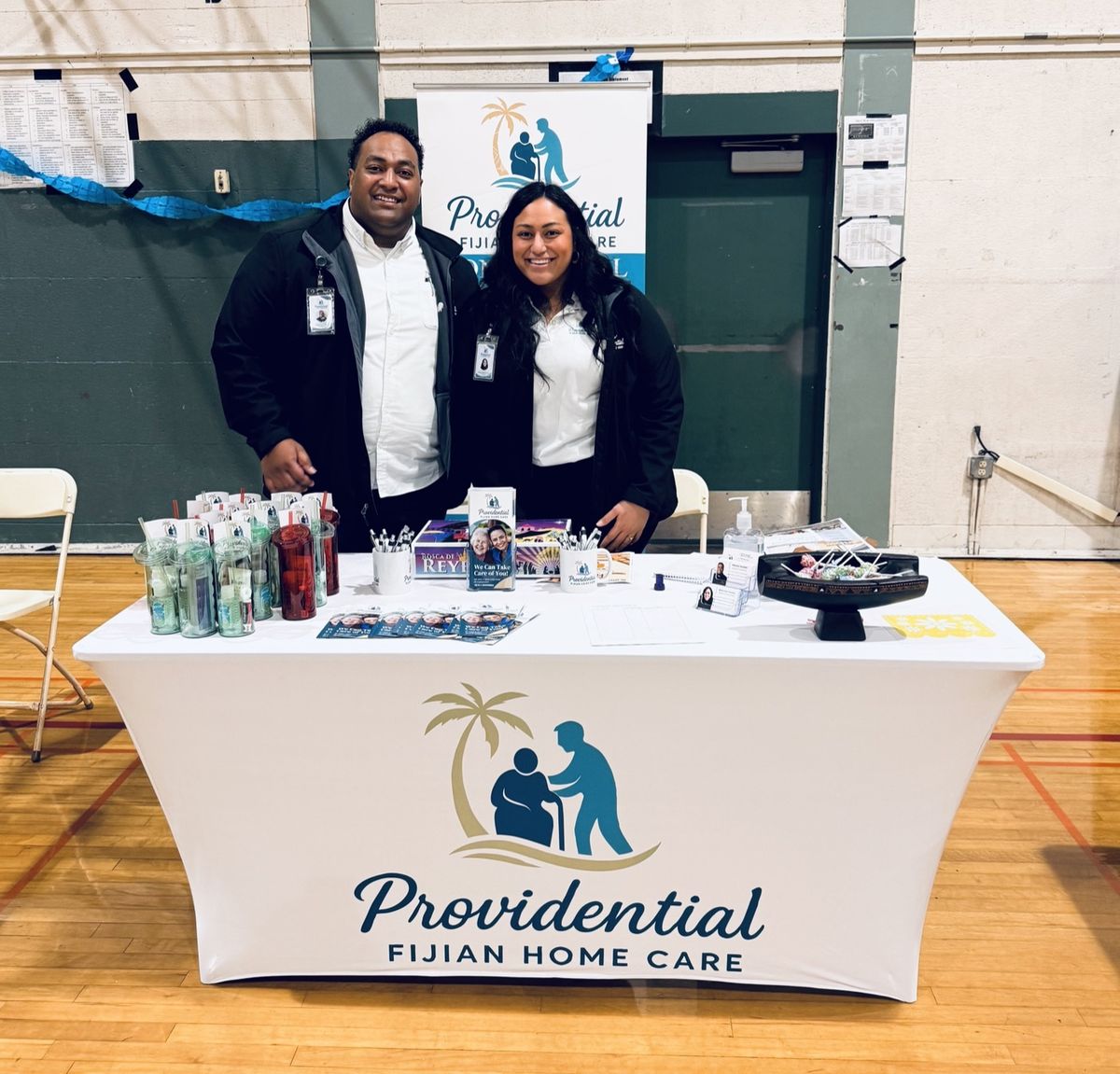
Choosing 24-hour dementia care Petaluma families can rely on is about more than just finding a service; it’s about finding a partner who views your loved one as a sacred responsibility. At Providential Fijian Home Care, we integrate the Fijian cultural value of reverence for elders into every aspect of our professional work. In our culture, the elderly are the heart of the home, and we carry this generational tradition into every Petaluma residence we enter. Our caregivers don’t view their roles as a job or a series of clinical tasks. They see their work as a heartfelt dedication to the people who paved the way for us, ensuring every interaction is grounded in unconditional respect.

This deep-seated honor creates an environment where your loved one feels safe, seen, and truly cherished. We’ve seen how this emotional connection reduces the anxiety often associated with memory loss. By focusing on the person rather than just the diagnosis, we provide care that feels like family. Our team understands that patience is a virtue, especially when communicating with those experiencing cognitive changes. Because we are rooted in Sonoma County, we maintain an unhurried communication rhythm that allows our clients to feel respected and heard at their own pace, rather than rushed through a schedule.

Rooted in Family, Focused on Care

Our story began in 2016 with a simple but powerful commitment to serve the Petaluma community with unconditional love. Over the last eight years, we’ve worked tirelessly to blur the line between professional support and genuine kin-like connection. We believe that professional care shouldn’t feel clinical or cold. Our approach is defined by a cultural warmth that replaces the sterile atmosphere of traditional memory care with the gentle, unwavering embrace of a family that truly honors its elders. This philosophy ensures that every interaction is grounded in dignity, making the transition to home care a source of comfort rather than stress for everyone involved.

Start the Conversation Today

The path toward peace of mind starts with a single, heartfelt conversation. We understand that the decision to seek 24-hour dementia care Petaluma services often comes during a time of great emotional weight. That’s why we invite you to a low-pressure Caring Consult. This isn’t a sales meeting; it’s an opportunity for us to listen to your needs and share how we can support your family’s unique journey. Whether you need immediate assistance or are planning for the future, we are here to help. Our team is available 24/7 for families in crisis, ensuring that you never have to face these challenges alone. Reach out today to discover how our family can help yours find the balance and support you deserve.

Embracing a Future of Support and Dignity

Navigating the complexities of memory loss requires more than just medical supervision; it demands a partnership rooted in deep respect. Since 2016, our family at Providential Fijian Home Care has focused on providing the specialized 24-hour dementia care Petaluma families rely on to keep their loved ones safe. We’ve seen how round-the-clock support effectively manages advanced symptoms like wandering and sundowning, ensuring that safety never takes a break. By choosing a locally owned agency in Sonoma County that integrates traditional Fijian values, you ensure your family member remains the heart of the home while receiving expert Alzheimer’s support. Our caregivers are trained to make every individual feel safe, seen, and truly cherished. You don’t have to navigate this transition alone or feel overwhelmed by the weight of constant caregiving. We’re here to offer the honorable service your family deserves, blending professional expertise with the warmth of a generational tradition. It’s our privilege to help your loved one age with the dignity they’ve earned.

Start a conversation about 24-hour care for your loved one today

Frequently Asked Questions

What is the difference between 24-hour care and live-in care in Petaluma?

The primary difference is that 24-hour care uses a rotating team of three caregivers working 8-hour shifts to stay awake and alert all night. Live-in care typically involves one person staying in the home for 24 hours who requires an 8-hour period for sleep. Because dementia often causes nighttime confusion, our 24-hour model ensures your loved one is never left alone while a caregiver sleeps.

Is 24-hour in-home dementia care more expensive than a Petaluma memory care facility?

According to the 2023 Genworth Cost of Care Survey, the median monthly cost for memory care facilities in the Santa Rosa and Petaluma area is approximately $8,700. While 24-hour in-home support can sometimes exceed this cost, it provides a one-to-one caregiver ratio that facilities cannot match. This personal attention ensures your loved one remains the heart of the home in a familiar, cherished environment.

How do you ensure safety for dementia patients who wander at night?

We ensure safety by maintaining a constant, watchful presence and using gentle redirection techniques to guide your loved one back to bed. Our team follows safety protocols from the Alzheimer’s Association, such as installing 120-decibel door alarms and motion-sensing floor mats. These tools allow us to respond within seconds if your family member moves toward an exit, keeping them safe, seen, and truly cherished.

Can a non-medical caregiver manage aggressive behaviors associated with dementia?

Yes, our caregivers are trained in the Validation Method to de-escalate aggression by focusing on the person’s underlying emotions rather than their literal words. We use Fijian values of patience and unconditional love to soothe agitation without the need for clinical intervention. By creating a calm atmosphere and using soft vocal tones, we transform moments of frustration into opportunities for meaningful connections and peace.

How many caregivers will be in my home for a 24-hour schedule?

A typical 24-hour dementia care Petaluma schedule involves a dedicated team of 4 caregivers who rotate shifts to maintain peak mental alertness. This small, consistent group becomes a secondary family for your loved one, which is vital for those who struggle with new faces. We carefully match these individuals to your family’s personality to ensure the care feels natural and deeply respectful.

Does insurance or VA benefits cover 24-hour dementia care in California?

Long-Term Care Insurance and the VA Aid and Attendance benefit often provide substantial coverage for 24-hour dementia care Petaluma services. For instance, the 2024 VA benefit rates can provide over $2,700 monthly to eligible veterans and surviving spouses to help pay for home care. We help families navigate these “honorable service” benefits to ensure their elders receive the high-level support they deserve in their own homes.

What happens if a scheduled caregiver is unable to make their shift?

If a caregiver can’t make their shift, our local supervisor immediately dispatches a backup caregiver from our 24-hour on-call pool. We guarantee that a trained professional will always be present, so your loved one’s routine is never disrupted. This reliability is a pillar of our service, providing you with the peace of mind that your family member is never without a compassionate protector.

How do I introduce a 24-hour caregiver to a loved one who is resistant to help?

We recommend introducing the caregiver as a “household assistant” or a “friend of the family” who is there to help with chores rather than “care.” This approach preserves your loved one’s dignity and reduces the feeling of losing independence. By starting with a simple conversation over tea, our caregivers build trust slowly, eventually becoming a natural and welcomed part of your loved one’s daily life.</p

Providential Fijian Home Care Logo

Our Fijian caregivers specialize in Alzheimer’s and dementia care, personal care, companionship, and mobility assistance, ensuring families receive compassionate support at home.

Locations

Contact Us