
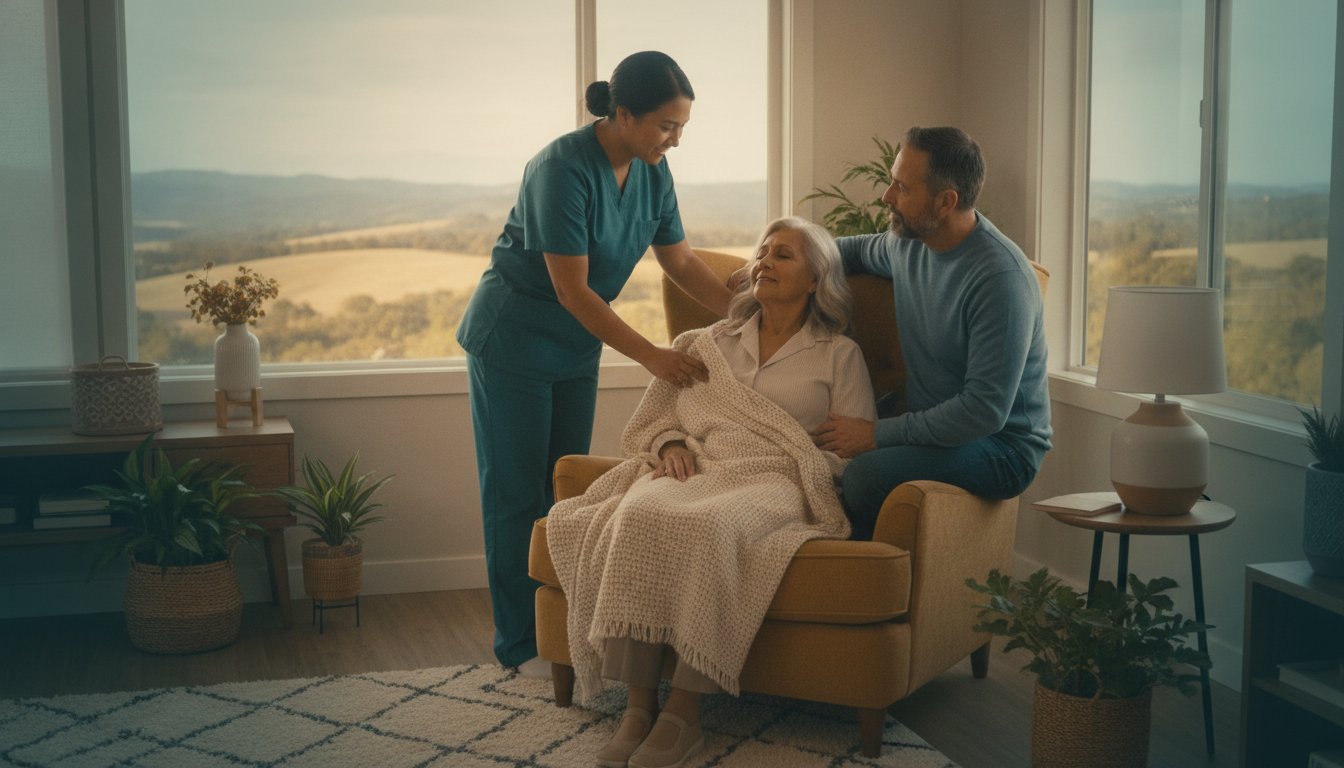
What if the most profound act of love isn’t doing everything yourself, but rather surrounding your parent with a circle of kinship that ensures they are never alone for a single moment? It’s natural to feel a heavy weight of guilt when considering non-medical hospice care at home Sonoma County. You want to be the one holding their hand through every hour, yet the physical exhaustion of caregiving and the constant anxiety about a fall or sudden pain can leave you feeling utterly depleted. You aren’t “outsourcing” your love; you are expanding the support system with trusted partners like Providential Fijian Home Care, keeping your parent safe and cherished.
This guide will help you navigate this transition with deep reverence, preserving your loved one’s dignity while providing you with professional support that feels like a natural extension of your own family. We’ll explore how to create a peaceful environment, the essential distinctions between medical and non-medical support, and the practical steps to ensure your parent remains safe and comfortable. By the end, you’ll have the confidence to build a sanctuary of care that honors your heritage and protects your peace of mind.
Key Takeaways
- Understand how non-medical hospice care at home Marin County acts as a compassionate bridge, focusing on daily living and emotional presence while the medical team handles clinical needs.
- Learn why a dual approach is essential for true comfort, pairing professional pain management with the personal hygiene and constant companionship that preserves a loved one’s dignity.
- Discover the physical and cognitive indicators, such as mobility struggles or increased anxiety, that signal it’s time to introduce additional layers of domestic support.
- Master the steps to seamlessly coordinate with your medical hospice coordinator to ensure a unified, peaceful environment for your parent.
- Explore how a family-centered philosophy rooted in reverence and kinship can transform the end-of-life journey from a clinical process into a sacred home experience.
Understanding Non-Medical Hospice Care at Home in Marin County
The home is more than a structure; it’s a repository of memories and a place where the soul feels most at rest. For many families, the decision to seek non-medical hospice care at home Marin County is born from a desire to protect this sacred space. While medical hospice teams provide vital clinical oversight, their visits are often brief and focused on technical assessments. This leaves a significant gap in the daily rhythm of life, a space where a parent might feel vulnerable, lonely, or physically uncomfortable. Non-medical support steps into this quiet interval, ensuring that the domestic sphere remains a sanctuary of peace rather than a clinical environment.
By focusing on the person rather than the pathology, this level of care preserves the dignity of the individual. It allows the family to step back from the exhausting role of a physical laborer and return to the role of a loving child or spouse. This transition isn’t about stepping away; it’s about inviting a supportive presence into the home that treats caregiving as a high honor and a privilege of kinship.
The “Compassionate Bridge” in End-of-Life Care
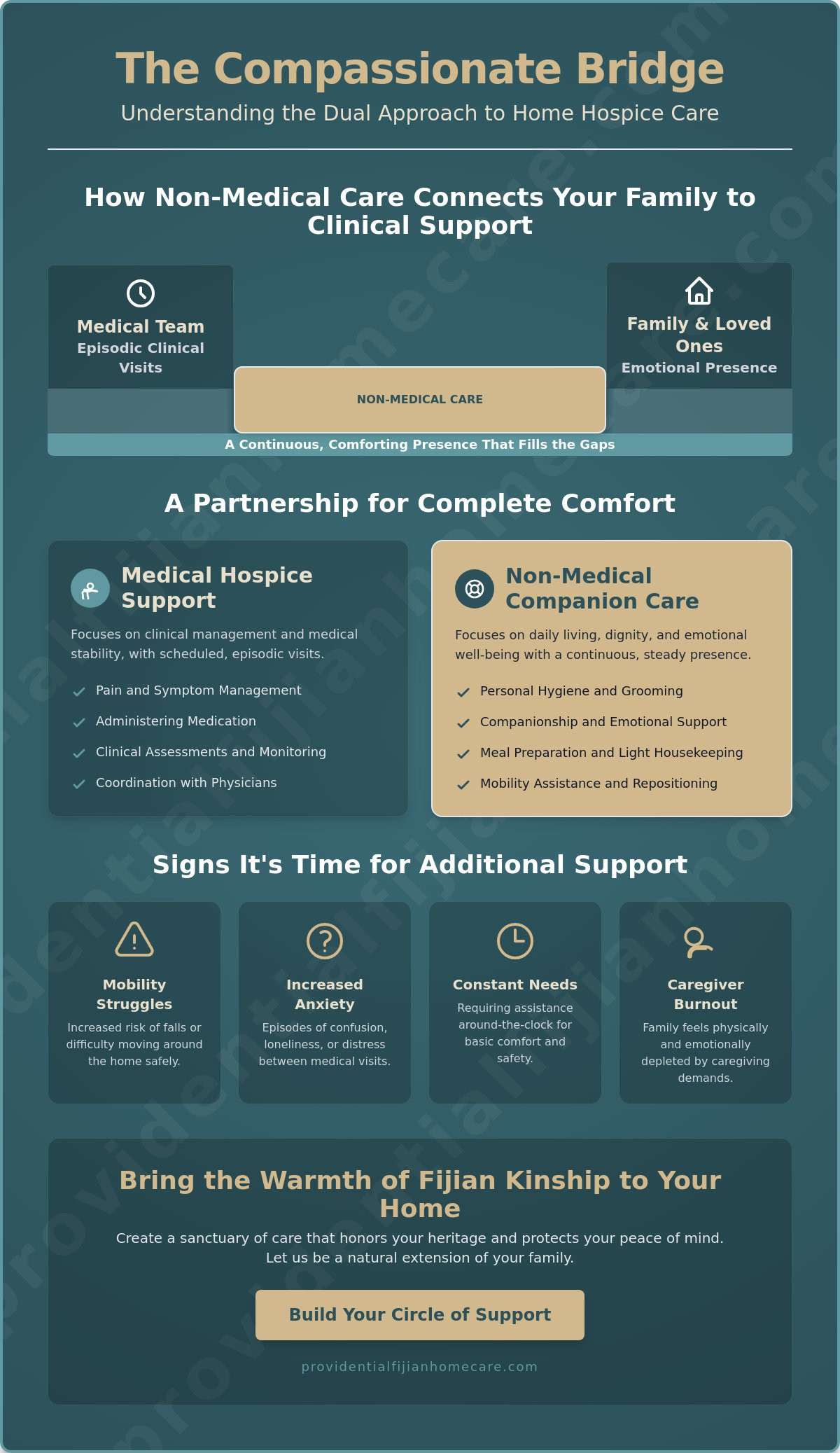
Non-medical support serves as the essential connection between medical intervention and the quiet reality of daily living. While traditional hospice care manages pain through medication and physician oversight, the non-medical caregiver focuses on the holistic comfort of the individual. This includes gentle hygiene assistance, help with repositioning to prevent discomfort, and the simple, profound act of being present. Non-medical hospice is the continuous heart of home care, providing a steady presence that bridges the gap between clinical visits and the daily needs of the soul. These caregivers work in harmony with the medical team, acting as observant eyes that can alert nurses to subtle changes while maintaining a warm, domestic atmosphere.
Why Home is the Preferred Sanctuary for Marin Seniors
From the quiet hills of Novato to the coastal beauty of Sausalito and the serene neighborhoods of Tiburon, Marin County offers a landscape of peace that hospitals simply cannot replicate. Staying at home allows a senior to remain surrounded by the scents of their own kitchen, the view from their favorite window, and the comforting sounds of their neighborhood. These familiar markers provide immense psychological relief, reducing the confusion and anxiety that often accompany advanced illness. Integrating in-home help for seniors ensures that these familiar rhythms aren’t disrupted by the intrusion of hospital equipment or rigid clinical schedules. This sense of security is foundational to a dignified transition, allowing your loved one to feel safe, cherished, and deeply respected in the place they love most.
Medical vs. Non-Medical Hospice: Why Both are Essential for Home Comfort
Understanding the difference between clinical intervention and daily companionship is the first step toward creating a truly supportive environment. Many families in our community assume that once hospice starts, a nurse will be at the bedside around the clock. This is a common misconception. In reality, medical hospice agencies focus on episodic clinical management, pain control, and physician oversight. They are vital for medical stability, but they don’t provide the constant, hour-by-hour presence that many seniors require during their final transition. Choosing non-medical hospice care at home Marin County allows families to balance these essential clinical needs with the emotional warmth of a constant companion.
By integrating both layers of support, you ensure that your parent is never left alone in a moment of confusion or physical need. While the medical team manages the “what” of the illness, the non-medical caregiver manages the “how” of daily life, preserving the domestic sphere as a place of high esteem and deep respect. This partnership allows the medical team to do their best work while the family finds the space to simply be present with their loved one.
Filling the Gap Between Clinical Visits
What happens when the nurse leaves? This is the question that keeps many family caregivers awake at night. Standard medical hospice typically leaves a “23-hour gap” each day where the family is responsible for all physical and emotional support. Professional caregivers from experienced caregiver agencies provide the steady, reassuring presence needed to navigate these long hours. They assist with Activities of Daily Living (ADLs) with a level of reverence that honors your parent’s history and dignity. Beyond physical help, these caregivers serve as the “eyes and ears” for the medical team. They notice subtle shifts in breathing patterns, skin integrity, or comfort levels, providing timely information that helps the clinical team adjust care plans. A clear understanding of Palliative Care and Hospice Care helps families realize that a holistic home environment requires both medical expertise and continuous personal attention.
Coordinating Personal Hygiene and Comfort Measures
Maintaining a sense of self often begins with the most personal rituals of care. Gentle bathing, grooming, and attentive skin care aren’t merely tasks; they’re acts of kinship that help a loved one feel clean and valued. A calm environment is equally essential for peace of mind. Caregivers create this sanctuary through light housekeeping and laundry, ensuring the home remains a place of rest rather than a source of stress. They also handle medication reminders with the same patience and tenderness one would show their own family, ensuring that comfort is maintained without the anxiety of missed schedules. If you feel overwhelmed by the physical demands of this journey, we invite you to start a gentle dialogue about our hospice support services designed to bring the warmth of kinship into your home.
Signs That Your Loved One Needs Extra Support During the Hospice Journey
The transition into hospice is a sacred time, but it’s also a period of intense physical and emotional demand. For many families seeking non-medical hospice care at home Marin County, the realization that they need help often comes in quiet, unsettling moments. You might notice a parent who was once steady now hesitating at the bathroom door; perhaps you see a new pattern of confusion that peaks as the sun sets. These physical indicators, such as mobility struggles and neglected hygiene, are often accompanied by cognitive shifts like increased anxiety or a constant need for reassurance. Domestic cues also tell a story. Scorched pots in the kitchen or a cluttered living space suggest that the domestic sphere is no longer safe for an unmonitored loved one. Recognizing these signs is an act of reverence, allowing you to provide the safety your parent deserves while honoring their legacy of independence.
Recognizing Caregiver Burnout in the Family
Many Marin County residents find themselves balancing high-pressure careers and long commutes on Highway 101 with the sacred duty of end-of-life care. This emotional toll is immense and can lead to profound burnout that affects your health and your relationship with your parent. Choosing respite care isn’t a failure of your duty; it’s a choice to restore your role as a loving child rather than a physically exhausted laborer. When you aren’t depleted by the physical demands, you can focus on the emotional connection and kinship that defines this final journey. Professional support allows you to be present as a family member again, ensuring your parent feels the full warmth of your affection without the shadow of exhaustion.
Safety and Presence Beyond the Medication Schedule
The most dangerous moments often happen outside the scheduled visits of a medical nurse. A “near-miss” in the bathroom or a stumble in the kitchen can happen in seconds, often when you’re in another room or catching a few hours of much-needed sleep. Identifying these subtle shifts creates a window of opportunity for introducing care before a crisis occurs. Authoritative resources like A Guide for Family Caregivers emphasize that coordinating with a wider support network is essential for maintaining a peaceful, safe environment. Knowing someone is there through the night to offer a glass of water or a soothing word provides a sense of security that clinical medicine alone cannot achieve. This constant presence ensures your loved one is never alone during their most vulnerable hours, providing you with the confidence that they are safe and comfortable 24/7.
How to Coordinate Non-Medical Caregivers with Your Marin Hospice Team
For families in Tiburon, Novato, or those balancing a career while commuting on Highway 101, the logistics of managing end-of-life care can feel like a heavy burden. Coordination begins with a gentle, open dialogue. Your first step is to speak with your medical hospice coordinator to ensure they understand your desire for a constant, supportive presence in the home. By defining the non-medical caregiver’s role within the domestic sphere, focusing on personal hygiene, meal preparation, and heartfelt companionship, you create a clear boundary that respects the clinical expertise of the nurses while prioritizing your parent’s daily comfort. This unified approach ensures that the medical plan and the personal care plan work in harmony to honor your loved one’s final wishes.
The “Soft Launch”: Transitioning with Grace and Respect
Introducing non-medical hospice care at home Marin County doesn’t have to be a sudden or intrusive shift. We often suggest a “soft launch” where the caregiver is framed as a “Family Assistant” or a “gift of time” for the entire household. This subtle shift in language preserves your parent’s dignity and high esteem. Start with just a few hours of companion care each week to build a foundation of trust and kinship. When you encounter the “I can do it myself” objection, respond with deep empathy. Explain that this support isn’t about their limitations, but about ensuring the family has more quality time to share stories and affection rather than focusing on the physical demands of housekeeping or laundry.
Building a Unified Care Team in Marin
A peaceful home environment depends on a seamless flow of information between everyone involved. We recommend using a simple communication log to bridge the gap between medical visits and non-medical observations. This ensures that when the hospice nurse arrives, they have a complete and accurate picture of your parent’s rest, nutrition, and emotional state. Scheduling caregiver shifts to overlap with your own family availability allows for a smooth transition and ensures you never feel isolated in the caregiving process. Finding the right personality match is essential for maintaining the sacred atmosphere of the home, as the caregiver becomes a trusted extension of your own support network. If you’re ready to create a unified circle of support for your loved one, we invite you to explore how our hospice support services can bring peace and stability to your family.
Bringing the Warmth of Fijian Kinship to Marin County Hospice Support
In many cultures, the elderly are the foundation of the domestic sphere, held in the highest esteem and treated with profound reverence. At Providential Fijian Home Care, we bring this traditional Fijian worldview to our neighbors across Marin. We believe that non-medical hospice care at home Marin County should never feel like a clinical transaction; instead, it’s a sacred act of kinship. Our approach moves away from the sterile, task-oriented models often found in modern healthcare. We focus on the emotional and spiritual comfort of your parent, ensuring they feel the warmth of a family-centered environment during their final transition.
Serving local communities from San Rafael to Novato, we view every hour spent with a loved one as a privilege. This benevolence isn’t just a corporate mission statement; it’s our heritage. We understand that inviting someone into your home during such a vulnerable time is a significant decision. Our goal is to be a supportive presence that feels like a natural extension of your own family, providing the deep respect and emotional commitment your loved one deserves. By choosing this path, you aren’t just hiring a service; you are welcoming a partner who values loyalty and service-oriented respect above all else.
Care as a Privilege, Not a Task
The heart of our service is the belief that caregiving is a high honor. We treat every client as if they were our own family, a philosophy that helps bridge the gap when a parent feels hesitant about a “stranger” in the home. By leading with warmth and sincerity, we transform that initial hesitation into a bond of trust. These same dementia care values, such as patience, presence, and deep affection, are the anchors of our hospice support. Whether we’re assisting with personal hygiene or simply sharing a quiet moment of companionship, we do so with high regard for the life your parent has lived. This approach ensures that the care provided is always holistic, nurturing, and reverent.
Taking the Next Step Together
Beginning this journey starts with a simple, low-pressure dialogue. We offer home assessments throughout Marin County to understand your family’s unique needs and rhythm. During our first meeting, you can expect a conversation centered on your parent’s comfort, preferences, and domestic history. We don’t arrive with a checklist of clinical tasks, but with an invitation to help preserve your parent’s dignity and peace. Our caregivers are chosen not just for their skills, but for their capacity for empathy and their community-oriented heart. Let us help you start the conversation with love and respect.
Creating a Sanctuary of Peace for Your Loved One
Choosing to integrate non-medical hospice care at home Marin County is a profound decision that prioritizes your parent’s comfort and your family’s peace of mind. By filling the gaps between clinical visits with a steady, compassionate presence, you ensure that your loved one is never alone. This holistic approach, which balances medical oversight with dedicated personal support, allows you to reclaim your role as a loving child. You can focus on sharing stories and quiet moments of affection while we handle the physical demands of daily care.
Since 2016, we’ve served families across Marin, Sonoma, and San Francisco counties with a commitment to heritage-based warmth. Founded on traditional Fijian values of respect and kinship, our team treats every individual with the high regard they deserve. Whether you need companion care or specialized non-medical support for Alzheimer’s and dementia, we’re here to provide a supportive presence that feels like family. Begin a gentle conversation about care. Contact our compassionate team today. You don’t have to walk this final journey in isolation. We’re here to help you protect the sacredness of your home and the dignity of your parent.
Frequently Asked Questions
What is the difference between medical hospice and non-medical home care?
Medical hospice provides clinical oversight such as pain management and nursing visits, while non-medical home care focuses on the domestic rhythm of daily life. This includes personal hygiene, meal preparation, and constant companionship to ensure a loved one is never alone. Think of it as the difference between a medical appointment and the steady presence of a supportive family extension that honors the soul of the home.
How do I handle a parent who refuses to let a caregiver into the house?
Introducing support as a “Family Assistant” rather than a caregiver often helps preserve a parent’s sense of independence and high esteem. Focus the conversation on your own need for peace of mind and the desire to spend quality time as a child rather than a physically exhausted laborer. Starting with a few hours of companion care can help build a foundation of trust and kinship before expanding services.
Does non-medical hospice care at home in Marin County include overnight support?
Yes, non-medical hospice care at home Marin County often includes overnight or 24/7 support to ensure continuous safety and comfort. This steady presence is vital for managing nighttime anxiety or providing assistance with repositioning and hygiene during the long hours when the medical team is away. It offers the family a chance to rest deeply while knowing their parent is never left unmonitored or afraid.
Can a non-medical caregiver work alongside my Sutter or Hospice by the Bay team?
Professional caregivers are trained to work in harmony with medical hospice teams like Sutter or Hospice by the Bay. They act as the “eyes and ears” in the home, documenting observations that help the clinical nurses adjust pain management or comfort plans. This partnership creates a unified care circle that addresses both the medical and the domestic needs of your loved one with seamless coordination.
How much does non-medical hospice support cost in the Bay Area?
Costs for non-medical support vary based on the specific level of care and the number of hours required each week. While we don’t provide specific dollar amounts here, it’s helpful to know that rates in Marin County reflect the specialized nature of local care and the high level of training required for end-of-life support. We suggest a gentle dialogue with our team to discuss your family’s unique needs and explore a plan.
What are the specific signs that my parent needs constant 24/7 presence?
Frequent falls, increased confusion during “sundowning” hours, or an inability to manage personal hygiene independently are clear indicators that constant support is necessary. You might also notice domestic hazards like scorched pans or a parent who feels intense anxiety when left alone for even short periods. These signs suggest that the window of opportunity for introducing 24/7 care has arrived to prevent a crisis and maintain safety.
How can I explain the need for a caregiver to my frugal or independent parents?
Framing the support as a way to “protect the family legacy” or as a “gift of time” for the children can soften the resistance of frugal parents. Explain that professional assistance allows the family to focus on shared stories and affection rather than the physical burdens of housekeeping or laundry. Emphasize that this benevolence is an act of respect that honors their desire to age in place with dignity and grace.
Does insurance or Medicare cover non-medical hospice caregivers?
Medicare and standard health insurance typically cover medical hospice services but don’t pay for non-medical home care. Long-term care insurance policies often provide coverage for these domestic support services, and some veterans’ benefits may also offer assistance. We recommend reviewing your parent’s specific policy or checking with a financial advisor to understand the resources available for non-medical support in your specific situation.