
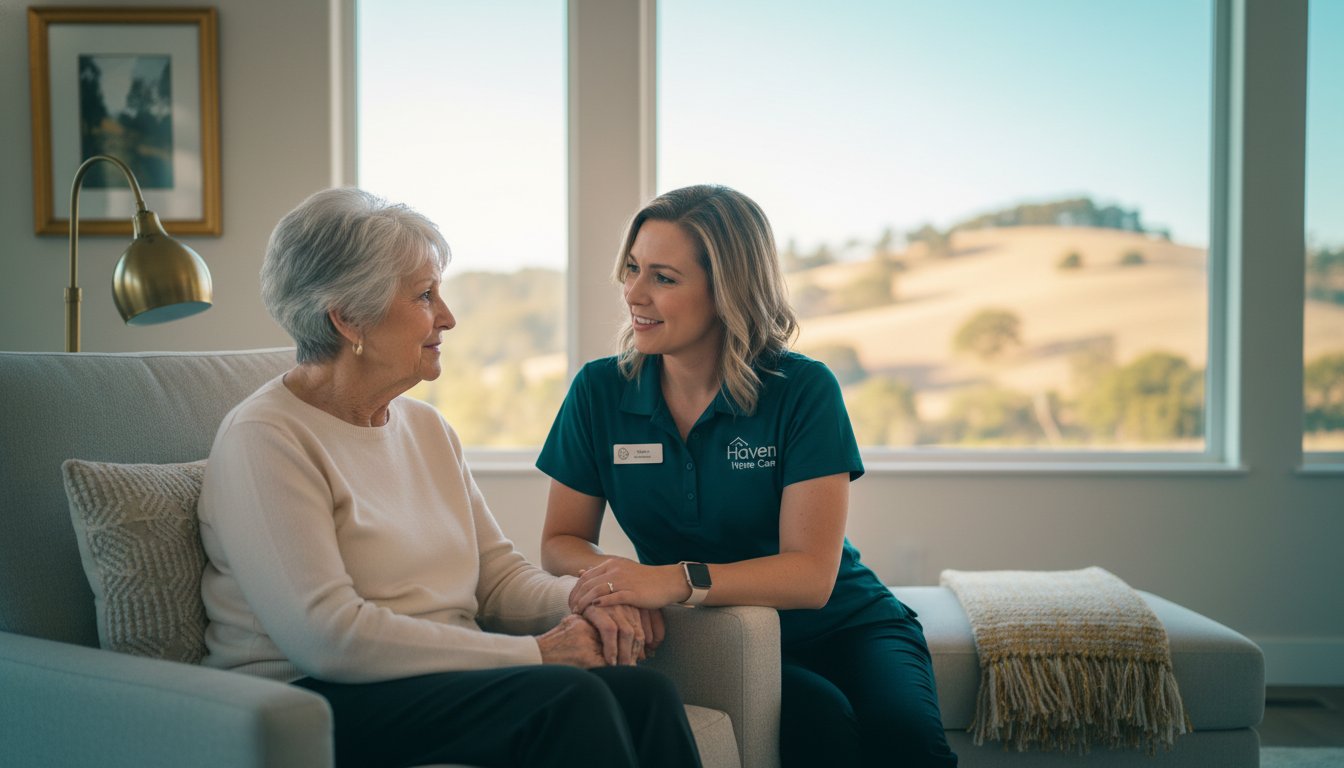
What if the most dangerous part of your mother’s hospital stay wasn’t the surgery itself, but the first forty-eight hours after she returns to her quiet home in Santa Rosa? For many families, the joy of a discharge is quickly replaced by the crushing weight of responsibility. You likely feel a constant, nagging anxiety that a single missed pill or a slippery rug could lead right back to the emergency room. It’s a heavy burden to balance your professional life with the sacred duty of caregiving, and the exhaustion you feel is a testament to your deep love and devotion.
Focusing on avoiding hospital readmission with in-home care is about more than just following a doctor’s orders; it is about restoring a sense of kinship, safety, and domestic peace. This guide will show you how compassionate, non-medical support prevents the common triggers of relapse, ensuring a recovery that is stable, dignified, and secure. We will explore how dedicated assistance with medication reminders, nutrition, and personal hygiene creates a protective shield around your loved one. By the end, you’ll understand how professional presence provides the peace of mind you deserve while keeping your family whole and at home.
Key Takeaways
- Identify why the first 30 days after discharge are the most vulnerable and how to protect your loved one during this critical transition.
- Discover how addressing invisible triggers like dehydration and medication gaps is the foundation for avoiding hospital readmission with in-home care.
- Learn the specific distinctions between clinical home health services and the compassionate personal care that ensures a safe, dignified recovery.
- Use our family checklist to create a domestic sanctuary that prioritizes safety, accessibility, and emotional comfort for your loved one.
- Understand how cultural values of deep respect and kinship can transform caregiving from a routine service into a sacred privilege for your family.
The Critical 30-Day Window: Why Hospital Readmission Happens
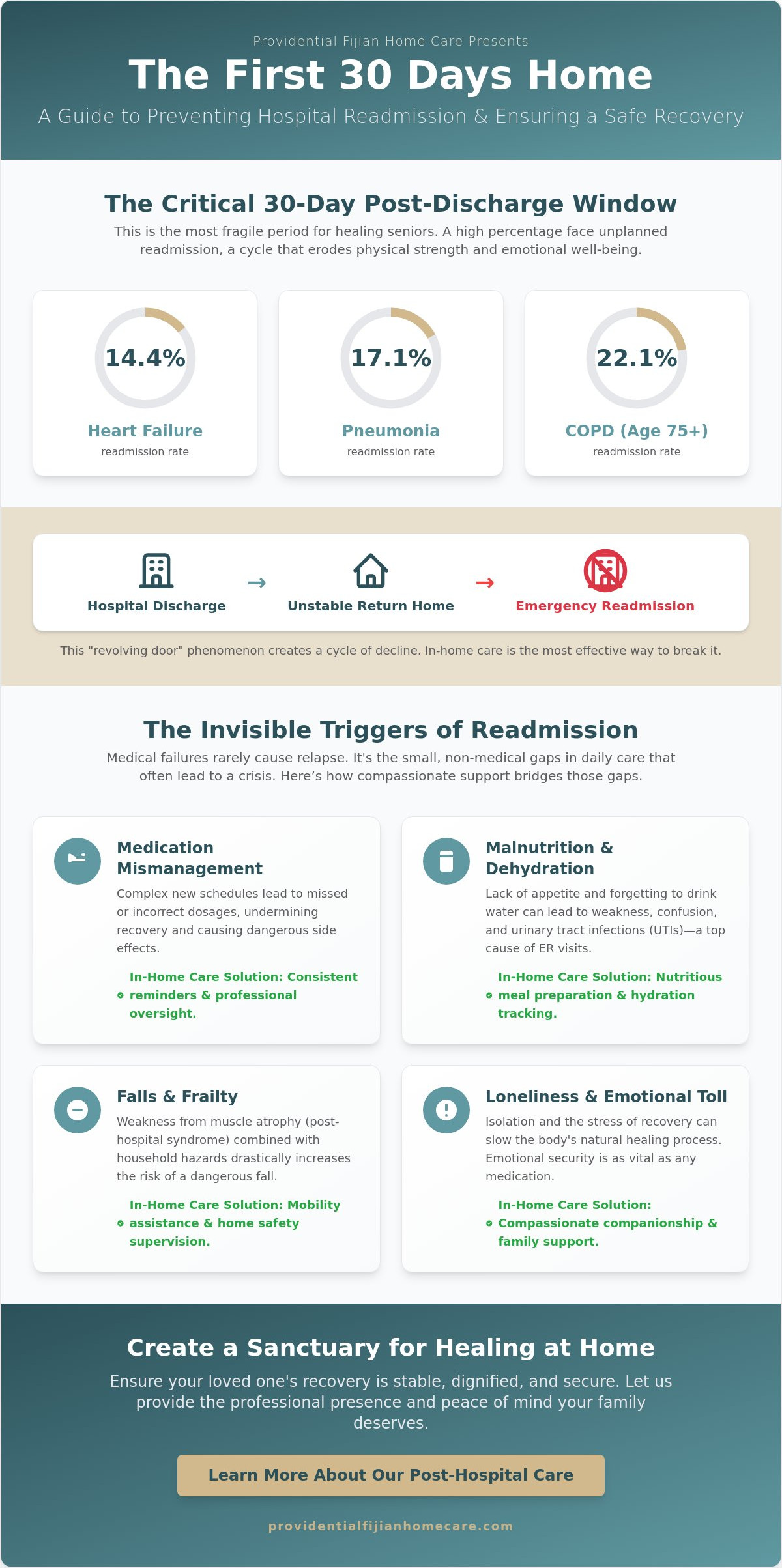
In the medical world, Hospital Readmission is defined as a return to the hospital within 30 days of being discharged. This narrow window is the most fragile period for our elders. It represents a time when the body is trying to heal while the mind is often clouded by the stress of a clinical environment. For families here in Sonoma County, this transition is often where the “revolving door” begins. This phenomenon occurs when a senior is sent home before they are truly stable, only to suffer a setback that lands them back in the emergency room within days. It’s a cycle that erodes physical strength and steals the spirit of independence. Your anxiety during this time isn’t a sign of weakness; it’s a natural response to a healthcare system that often prioritizes beds over benevolence.
Focusing on avoiding hospital readmission with in-home care is the most effective way to break this cycle. When a loved one returns to their own domestic sphere, they need more than just a list of instructions. They need a supportive presence that understands the rhythm of their recovery. Without this dedicated attention, the risk of a secondary infection or a dangerous fall increases significantly, especially for those living in the sprawling communities of Santa Rosa or the more rural areas of our county where medical help isn’t always around the corner.
Understanding the Statistics of Recovery
The numbers tell a story of vulnerability. According to data from 2021 and 2022, national readmission rates for specific conditions remain high: heart failure at 14.4%, pneumonia at 17.1%, and COPD for those over 75 reaching a staggering 22.1%. There is a profound difference between a planned follow-up visit and an emergency readmission. A planned visit is a step toward health; an emergency return is a trauma. By utilizing in-home help for seniors, your family gains a set of professional “eyes and ears.” These caregivers notice the subtle signs of decline, such as a slight change in breathing or a decrease in appetite, before they become emergencies.
The Emotional Toll of Repeated Hospitalizations
Beyond the physical risks, frequent hospital stays can lead to “hospital delirium.” This is a state of acute confusion that often strikes seniors in clinical settings, making the return home even more disorienting. When a person is moved between facilities multiple times, they often feel a loss of dignity and agency. We believe the home should be a sanctuary for healing rather than a clinical site. In the warmth of their own living room, surrounded by memories and kinship, an elder can focus on recovery with the honor they deserve. This emotional security is just as vital as any medication for long-term health and stability.
The Invisible Triggers: How Non-Medical Gaps Lead to Medical Setbacks
While doctors focus on surgical wounds and laboratory results, the true battle for health often takes place in the quiet corners of the home. Many families are surprised to learn that medical failures rarely cause a return to the hospital. Instead, it is the “invisible” gaps in daily living that create a crisis. Your loved one may be experiencing post-hospital syndrome, a period of generalized vulnerability where the body is physically depleted and the immune system is fragile. During this time, three non-medical triggers often lead to setbacks: falls, malnutrition, and medication mismanagement. Identifying these risks early is the most compassionate way of avoiding hospital readmission with in-home care.
Dehydration is a particularly silent predator during recovery. When an elder doesn’t drink enough water, the resulting imbalance can cause sudden confusion that mimics the onset of dementia. It also frequently leads to urinary tract infections (UTIs), which are a leading cause of emergency room visits for seniors in Sonoma County. Beyond the physical, the emotional weight of loneliness can slow down the body’s natural healing processes. A heart that feels isolated and overwhelmed by the complexity of a new medication schedule is a heart that struggles to mend. Providing a supportive presence ensures these subtle needs are met with reverence and consistency.
The ‘Falls and Frailty’ Cycle
Muscle atrophy happens with alarming speed during a hospital stay. Even a few days of bed rest can leave a senior too weak to navigate their own hallway safely. The first 72 hours after returning home are the most dangerous for accidents. Having dedicated home care givers present to assist with transfers and mobility provides a physical safety net. This steady hand prevents the devastating fall that would otherwise end a successful recovery and force a return to a clinical setting.
Nutrition and Hydration as Medicine
Appetite often vanishes after the trauma of surgery or illness. Without proper fuel, the body lacks the strength to repair tissue or fight off secondary infections. Professional meal preparation ensures that your loved one receives nutrient-dense food that appeals to their changing tastes. Insights on How Home Care Can Help emphasize that consistent support with these domestic tasks is vital for long-term stability. Nutritional vigilance is the cornerstone of readmission prevention because it treats every meal as a restorative act of love. If you find the complexity of these daily needs is becoming too heavy to carry alone, it may be helpful to explore how personal care assistance can restore the sanctuary of your home.
Bridging the Gap: Skilled Nursing vs. Compassionate Personal Care
Many families feel confused by the terminology of post-hospital support. While “Home Health” provides clinical interventions like wound care or physical therapy, it is often brief and task-oriented. In contrast, non-medical home care focuses on the total well-being of the individual within their own environment. This distinction is vital for families committed to avoiding hospital readmission with in-home care. A caregiver agency doesn’t replace the doctor’s orders; it ensures they are followed with precision and warmth. Whether it’s providing medication reminders to prevent dosing errors or assisting with hygiene, this support transforms a clinical discharge plan into a lived reality of safety.
The national urgency to improve these transitions is reflected in Medicare’s Hospital Readmission Reduction Program, which highlights how critical the first few weeks are for long-term health. We view personal care, such as bathing, dressing, and grooming, not as a series of chores, but as reverent acts of dignity. When an elder feels clean, respected, and well-cared for, their outlook shifts from merely surviving to actively healing. This emotional lift is a powerful catalyst for physical recovery.
Coordinating Care in Santa Rosa and Petaluma
Our caregivers act as a vital bridge between your family and medical professionals. While a nurse might visit for thirty minutes, a companion provides the steady presence needed to notice subtle changes in health. They’re the first to see if a loved one is more fatigued than usual or if their appetite has dipped. This consistent watchfulness offers a level of security that intermittent medical visits simply cannot match. It ensures that any potential “red flags” are caught before they escalate into a crisis.
When to Choose Personal Care Over a Facility
Choosing home care santa rosa ca allows your loved one to recover in the domestic sanctuary they love. A rehabilitation center can feel cold and isolating, which often leads to depression and slower recovery times. Home care isn’t just for the end of life; it’s a flexible tool for recovery. Services can be scaled as your loved one regains their strength, ensuring they always have the right level of kinship and support. Avoiding hospital readmission with in-home care means prioritizing the emotional comfort of home while maintaining the highest standards of physical safety.
Creating a Sanctuary: A Family Checklist for a Safe Return Home
The first few days at home are a delicate time of transition for any senior. To ensure the highest level of safety, your family can take practical steps to transform the house into a true healing sanctuary. This proactive approach is the most reliable method for avoiding hospital readmission with in-home care, as it addresses environmental risks before they lead to a crisis. With a national 30-day readmission rate hovering around 14 percent, the importance of a prepared home cannot be overstated. By focusing on domestic safety and emotional nourishment, you create a space where recovery is the natural outcome of a well-ordered environment.
- Step 1: Conduct a thorough safety walkthrough. Look at the home with a watchful eye. Remove loose rugs, improve lighting in dim hallways, and ensure grab bars are securely installed in the bathroom. These simple adjustments prevent the falls that frequently end a successful recovery.
- Step 2: Establish a ‘Recovery Zone.’ Choose a central area with easy access to fresh water, a phone, and a comfortable place for medications. This reduces the physical strain of navigating the house while your loved one is still regaining their strength.
- Step 3: Schedule professional support. Arrange for medication reminders and meal preparation for at least the first two weeks. Consistent nutrition and compliance with doctor’s orders are the twin pillars of physical stability.
- Step 4: Secure reliable transportation. The first follow-up appointment is a critical checkpoint. Having a professional take the wheel ensures your loved one arrives safely without the exhaustion of driving or the stress of navigating traffic.
- Step 5: Enlist companion care. The “post-discharge blues” are a real emotional hurdle; a friendly face and meaningful conversation keep the spirit high during the long hours of healing.
Local Resources for Santa Rosa Seniors
Coordination with local medical centers like Santa Rosa Memorial or Kaiser Permanente is essential for a smooth handover. Local caregivers understand the unique geography of Sonoma County, making pharmacy runs and grocery errands efficient and stress-free. Always verify your discharge paperwork and confirm follow-up dates before you leave the hospital’s care. This clarity ensures that everyone in the circle of care is moving in the same direction.
The Role of Respite for the Family Caregiver
Caring for a parent after a hospital stay is an act of deep love, but it’s also physically and emotionally taxing. You don’t have to carry the burden of constant watchfulness alone. Utilizing short-term respite care allows you to return to being a daughter or son rather than a nurse. Professional overnight support provides the peace of mind you need to rest, knowing your loved one is safe. When the family is well-rested, the entire domestic circle is stronger and better prepared to support a lasting recovery. This benevolence toward yourself is just as vital as the care provided to your loved one.
Healing with Honor: The Providential Fijian Home Care Approach to Post-Hospital Care
At the center of our approach is a philosophy that transcends standard medical checklists. We believe that true healing begins when a person feels deeply seen, heard, and valued. In our Fijian heritage, we live by the sacred values of ‘Veidokai,’ which represents a profound respect, and ‘Loloma,’ which is the spirit of unconditional love. These aren’t just cultural concepts; they’re the foundation of how we approach avoiding hospital readmission with in-home care. By viewing the elderly as the ‘heart of the home,’ we shift the focus from managing a clinical patient to honoring a family pillar. This nurturing presence is what turns a quiet house back into a vibrant, safe sanctuary after the cold and isolating experience of a hospital stay.
For families navigating the complexities of dementia care sonoma county, this cultural warmth is even more critical. Cognitive challenges often heighten the stress of a post-hospital transition, leading to agitation or disorientation that can jeopardize recovery. Our caregivers provide the steady, patient environment required to soothe these anxieties. We understand that a familiar voice and a gentle hand can prevent the confusion that often leads back to the emergency room. This specialized focus ensures that even those with the most complex recovery needs are treated with the benevolence and high regard they have earned throughout their lives.
Why Our Caregivers are Different
Our team brings a unique spirit of service that is humble, community-oriented, and intensely loyal. This patience and warmth are the hallmarks of our heritage, ensuring that every interaction is unhurried and sincere. We provide dedicated non-medical hospice support and post-surgical care throughout Santa Rosa, pairing professional action with an emotional outcome of security. We treat every client as a member of our own extended family, offering the high esteem they deserve as community elders. In our eyes, caregiving is never a chore; it’s a privilege that allows us to support our neighbors during their most vulnerable moments.
Starting the Dialogue for Your Loved One
We know that the days following a hospital discharge are heavy with emotion and uncertainty. Our process begins with a low-stakes dialogue designed to reduce your stress and understand your loved one’s unique domestic needs. We invite you to experience a partnership based on kinship rather than a simple commercial transaction. Our goal is to serve as a compassionate extension of your own support network, maintaining a patient and supportive pace. We’re here to walk beside you, ensuring your loved one remains safe, dignified, and home where they belong. Contact us today for a compassionate consultation in Santa Rosa.
Restoring Peace to Your Family Home
The journey from a hospital bed back to the comfort of a living room is a sacred transition that deserves the utmost reverence. By transforming your home into a sanctuary and addressing the non-medical gaps that often lead to setbacks, you’re taking the most vital step in protecting your loved one’s independence. We’ve explored how a dedicated presence manages the delicate balance of medication reminders, nutrition, and domestic safety. Ultimately, avoiding hospital readmission with in-home care is about more than clinical stability; it’s about providing the emotional nourishment and kinship that a hospital setting simply cannot offer.
Since 2016, we’ve served families across Sonoma, Marin, and San Francisco Counties with specialized expertise in post-surgical and dementia care. Our approach is deeply rooted in traditional Fijian values, ensuring that every elder is treated with high esteem and heartfelt warmth. You don’t have to navigate this complex recovery alone. We invite you to start a compassionate dialogue about your loved one’s recovery today. Together, we can ensure that their return home is the beginning of a safe, dignified, and lasting healing journey.
Frequently Asked Questions
What are the most common reasons for hospital readmission in seniors?
The most frequent causes for a return to the hospital include accidental falls, medication mismanagement, and poor nutrition or dehydration. Many seniors also suffer from post-hospital syndrome, a period of extreme physical and emotional vulnerability. By addressing these domestic gaps with a nurturing presence, families can prevent small setbacks from turning into new medical emergencies.
Can non-medical home care really prevent a return to the hospital?
Yes, non-medical support is highly effective for avoiding hospital readmission with in-home care by providing a safety net for daily life. Caregivers act as a supportive bridge, ensuring that the home remains a sanctuary rather than a place of risk. Their watchfulness over hydration, meals, and mobility helps maintain the physical stability required for a lasting recovery.
How soon should home care start after a hospital discharge?
Support should ideally begin the moment your loved one arrives home from the hospital. The first 72 hours are the most critical window for stabilization and safety. Establishing a routine of kinship and assistance immediately helps reduce the disorientation that often follows a clinical stay, ensuring a smoother transition back to domestic life.
Is in-home care available in Santa Rosa and Petaluma for short-term recovery?
We provide flexible, compassionate support for families in Santa Rosa, Petaluma, and throughout Sonoma County specifically for short-term post-surgical needs. Our services are designed to be scaled as your loved one regains their strength and independence. This allows them to heal in the warmth of their own home rather than in a distant rehabilitation center.
How do medication reminders work with a non-medical caregiver?
Our caregivers provide gentle verbal prompts and assistance with opening pill organizers to ensure compliance with a doctor’s discharge plan. While they don’t administer medications, their presence is a vital safeguard against missed doses or confusing schedules. This simple act of devotion provides your family with the peace of mind that clinical orders are being followed with precision.
What happens if my loved one’s condition changes during their recovery at home?
Our caregivers are trained to notice and report subtle changes in health, such as increased fatigue, a drop in appetite, or cognitive confusion. If a change occurs, we immediately notify the family so you can consult with medical professionals. This early observation is a key strategy for avoiding hospital readmission with in-home care by catching potential issues before they escalate.
Does Providential Fijian Home Care coordinate with my loved one’s doctors?
We serve as a dedicated extension of your family’s support network, following the non-medical guidelines within the doctor’s discharge paperwork. While we don’t provide skilled nursing, we ensure that the domestic environment supports the medical goals set by the hospital. This partnership ensures that your loved one’s path to healing is consistent, respectful, and well-supported.
How do I know if my parent needs 24-hour care or just a few hours a day?
The level of support depends on your parent’s mobility, cognitive clarity, and the specific demands of their recovery. We begin our relationship with a low-pressure dialogue to assess their needs and your family’s goals. Whether they require a few hours of help with meal preparation or a more consistent presence for safety, our priority is providing the right level of benevolence and kinship.